This house relocation glossary explains the terms used when moving, buying, selling or demolishing a house in Queensland and northern NSW. Each entry is short and plain. Where a term has its own guide or service page, there is a link to it.
The rules that apply to your house depend on the block, the council and the house itself. If you are not sure which of these terms apply to your project, call us on 07 3888 9399 or send an enquiry.
Disconnecting and capping water, sewer, electricity, gas and phone or internet connections before a house is moved or demolished. It is done by the relevant providers and a licensed trade, and it has to be finished before work starts. See how to arrange abolishment of services.
A fibre used in building products in older Australian houses, most often in cement sheeting. It is safe while undisturbed, but it has to be identified and handled by the right people before a house is demolished or cut up for transport. See asbestos removal and our guide to asbestos and house demolition in Queensland.
Permission to carry out building work, assessed against the building rules by a certifier. A house moved to a new block normally needs building approval for the new site. It is separate from planning approval. See do I need council approval for a relocatable house.
A rating of how exposed a site is to bushfire. It sets construction requirements for the house, so a high rating can add work and cost to a relocated home. See bushfire overlay and BAL.
A licensed professional who checks building work against the building rules and issues the approvals. In Queensland the certifier can be a private certifier or the council.
Money a council may ask for when you move a house onto a block. A bond is held against damage to council roads and assets, and an infrastructure charge is a fee for connecting to council services. What applies depends on the council.
The connections that anchor a house to its foundations so it can resist high winds. In wind-rated areas a relocated house may need tie-downs or other upgrades to meet current requirements.
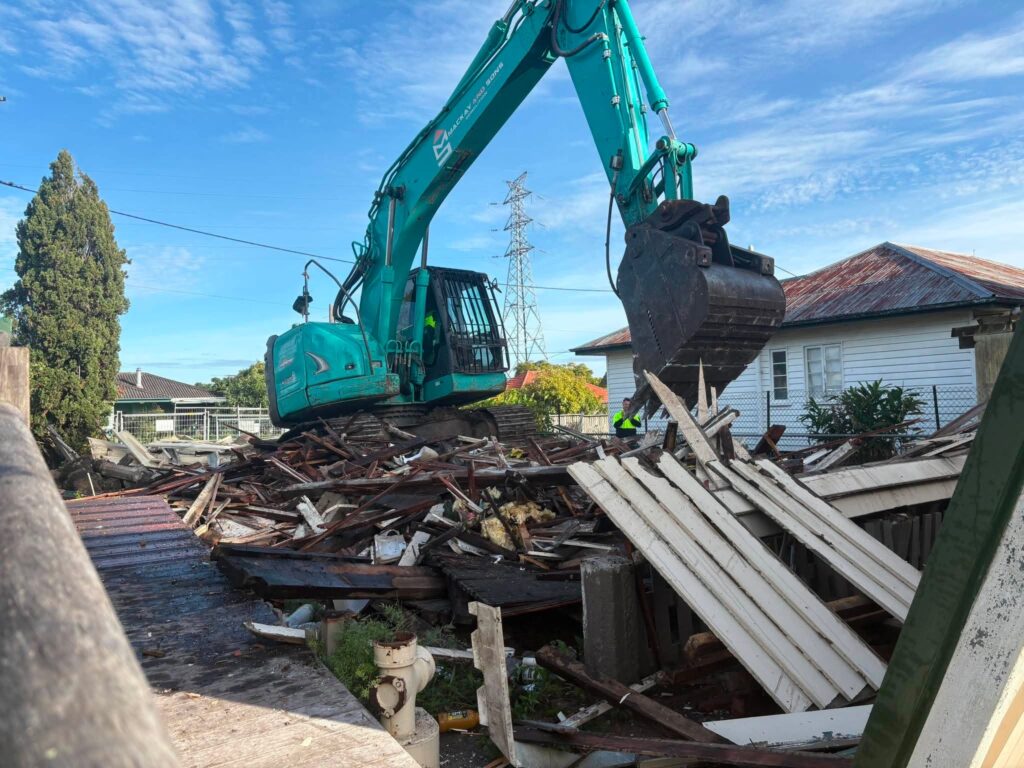
Taking a house down and clearing the site. It is the alternative to relocating a house that can be moved. See house demolition and demolish or relocate an old house.
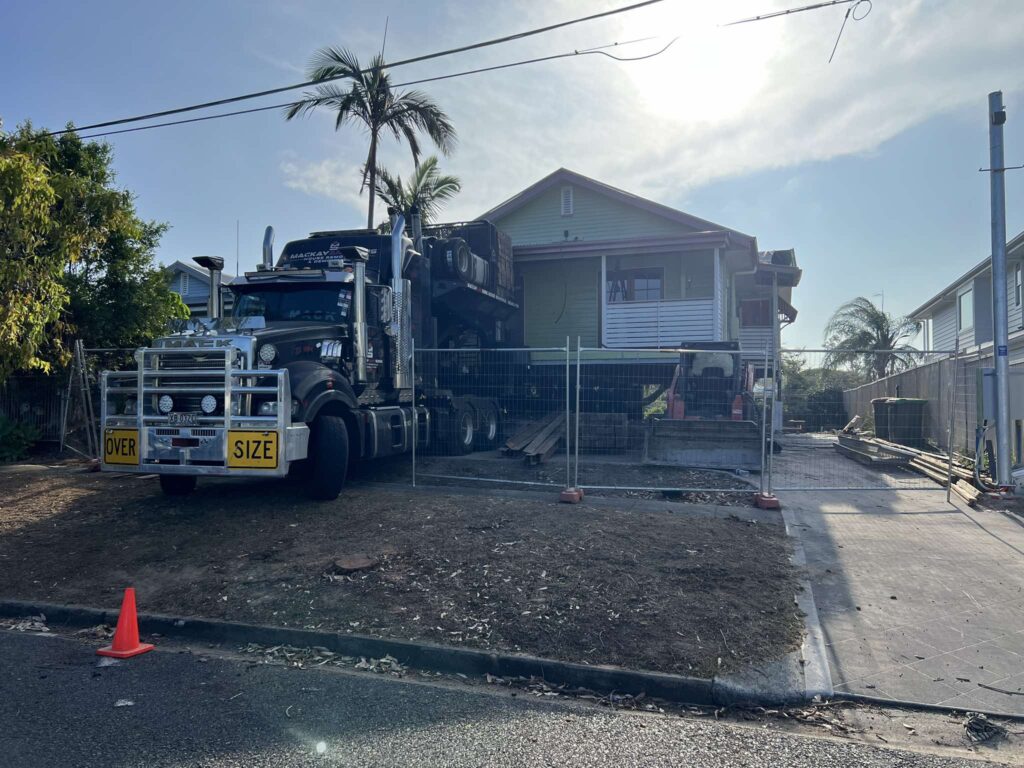
A home built so it can be unbolted and moved, often in sections and often built in a factory. People also use the word for houses that are not purpose-built to move. A removal home is usually a house that was built on site and is lifted and moved later. See relocatable home or removal home.
A layer on the council planning map that marks land with flood risk. It can set a minimum floor height for a house, which affects how a relocated house is placed on its stumps.
A house offered at no purchase price, on the condition that the buyer pays to move it and clears it from the site by an agreed date. The moving, site and approval costs still apply. See sell your home for relocation and houses for sale.
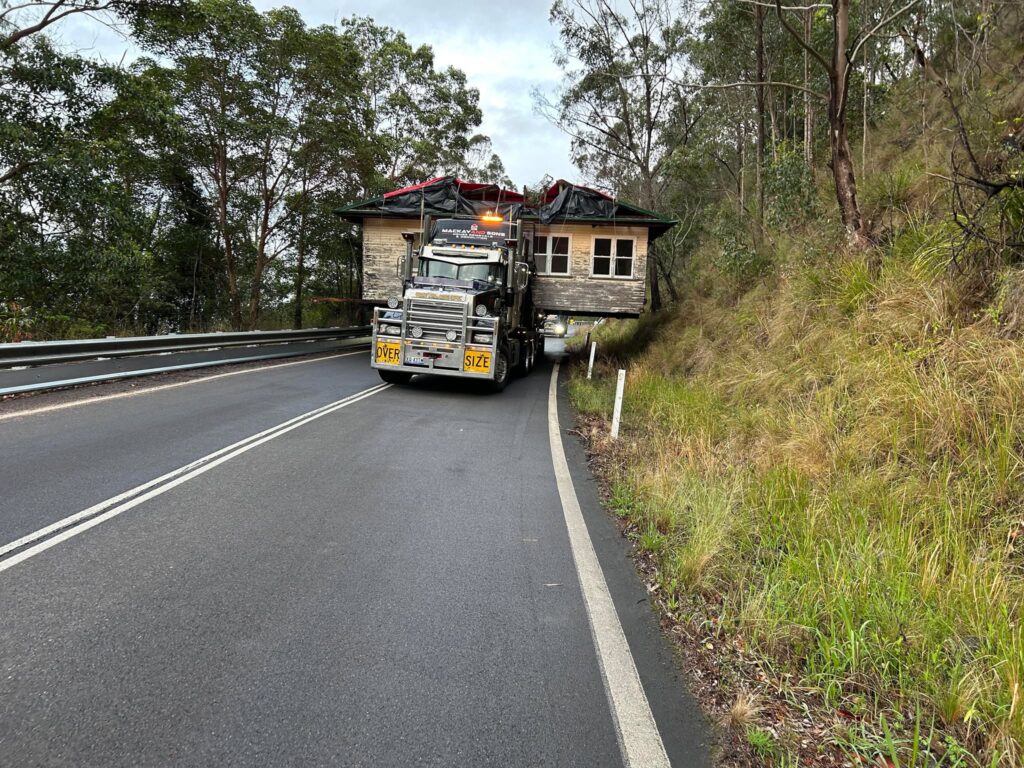
A house section that is wider than a standard road limit needs a transport permit and escort vehicles on the road. Routes and move times are set by the road authority, and some moves need police escorts.
Permission from council to use the land for a particular purpose, such as placing a house on it. It is assessed against the local planning scheme and any overlays that apply to the block.
A layer on the council planning map that adds rules for land with a particular feature, such as bushfire, flood, heritage or steep slope. See how planning overlays affect your house relocation.
Moving a house you already own from one site to another. See private relocation.
A traditional timber house raised on stumps, usually with verandahs and a pitched iron roof. Their timber frames and stump construction make many of them suitable to relocate. See can any house be relocated.
Lifting a house higher on its existing block, or shifting it a short way on the same block, without moving it to a new address.
Different names people use for a house that is lifted and moved to a new site. Searches use all of them. They mean the same thing in practice: a complete house that is cut into sections, transported and rebuilt on new stumps. See relocatable home or removal home and buying a removal home in Queensland.
A NSW Government program for flood-affected homes in northern NSW that includes buybacks. Some houses bought back are made available for relocation. See Resilient Homes relocations.
A second house on a block that already has one. Whether you can place a relocated house as a second dwelling depends on the local planning scheme. See second dwelling and removal home rules.
A house is cut into sections so it can be transported by road, and reassembled on site. The number of sections affects the move and the cost. Our cost calculator asks how many sections your house will be.
On-site treatment for a block with no sewer connection. A relocated house on an unsewered block needs a system designed and approved for the site.
Clearing, levelling and making access to a block so a house can be placed on it, along with the services it needs. See is my land suitable for a relocatable house.
A test of the ground on the new site, used by an engineer to design the footings and stumps for the house.
Stumps are the posts that hold a raised house off the ground. Stumping means installing them, and restumping means replacing worn ones. A relocated house is placed on new stumps at the new site.
A licensed professional who marks boundaries and levels on a block so the house is placed in the right position.
A truck used to clear soil or waste from a trench or pit, for example when preparing services or footings.
Mackay & Sons has relocated and demolished houses across Queensland and northern NSW for decades. Start with the service that fits your situation.
Send an enquiry or call 07 3888 9399.