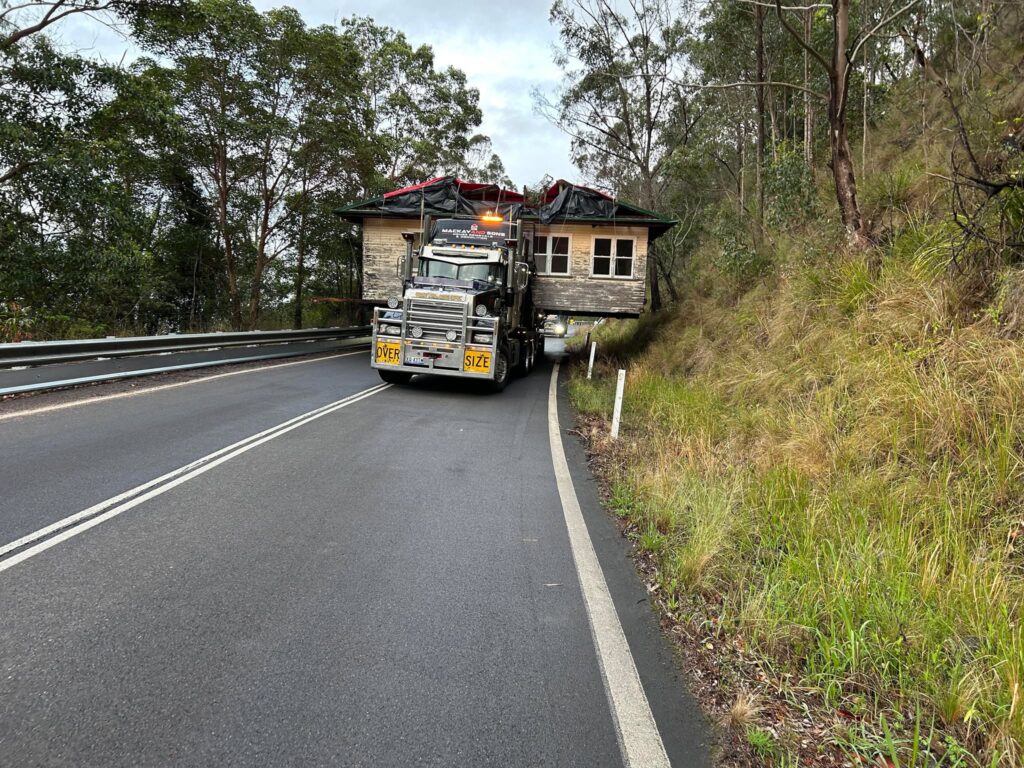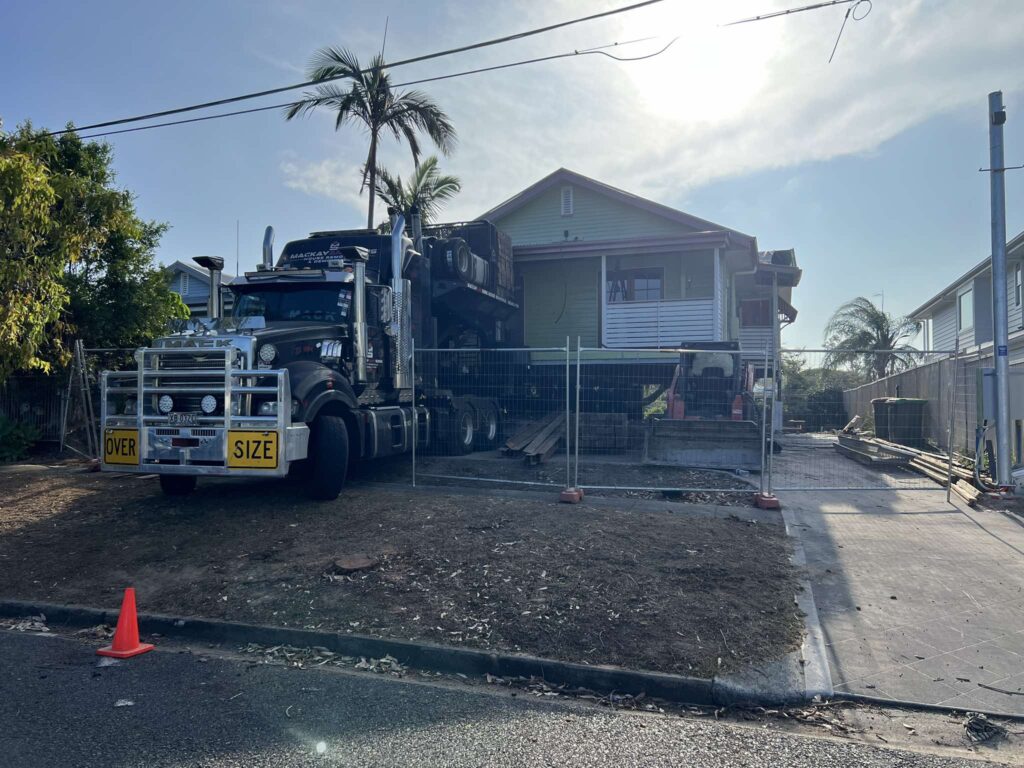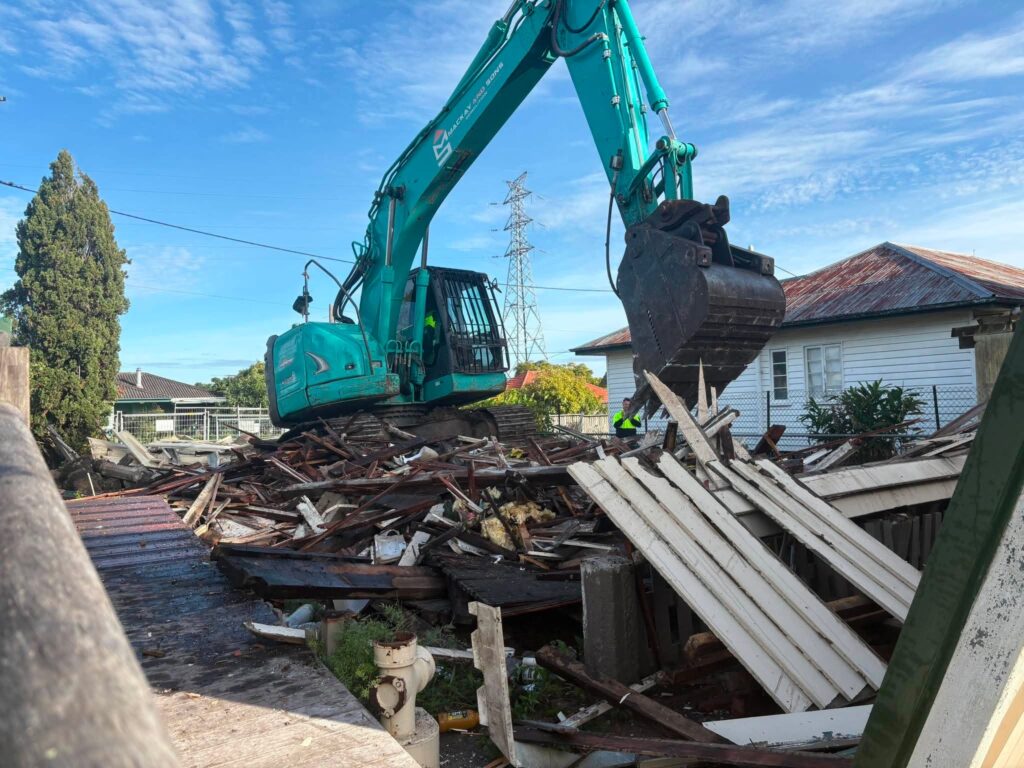
If you need to clear a block, the question is whether to demolish or relocate an old house. Relocation keeps the house in use and can reduce waste, while demolition is faster and simpler where the house cannot be saved. Which is right depends on the house, the timing and the approvals.
Not every house is suited to relocation. Timber and Queenslander-style homes are generally good candidates, while brick, masonry and slab-on-ground homes are much harder. Condition matters too, and so do extensions, size and access to the site. Our guide on whether any house can be relocated sets out what is assessed. If the house cannot realistically be moved, the decision is made for you.
Relocation tends to suit a sound timber house with character, an owner who is not under time pressure and a buyer or a spare block that can take the house. It also reduces waste, because the house is reused rather than sent to landfill. Houses that have been moved are listed on our houses for sale page, and the interactive cost calculator gives an early indication of what moving yours would involve.
Demolition tends to suit a house in poor condition, a tight timeline or a house that cannot be moved. Mackay & Sons also handles demolition, so you can talk to one team about both options. See our demolition page, and read how to prepare for house demolition and how to arrange abolishment of services for what has to happen first.
Ask three questions. First, is the house structurally sound and of a type that moves well? If not, demolition is the realistic answer. Second, do you have time? If you need the block cleared quickly, demolition is usually faster. Third, does the house have value to someone else? A character timber home often does, and a buyer may take it off your hands. If the answers are yes, yes and yes, relocation is worth a serious look. If you are not sure, an inspection will settle it, and it costs far less than getting the decision wrong. We are happy to give you a straight opinion on either path.
Whichever way you go, get the paperwork right first. Check the approvals, confirm any heritage restrictions and make sure hazardous materials are dealt with by the right people. Doing the groundwork properly protects you from delays and unexpected costs, and it means your block is ready for whatever you plan to build next.
Send us the address and a few photos, and we will tell you whether the house is a realistic candidate for relocation and what each option involves.
Send an enquiry → • Call 07 3888 9399
It depends on the house, the site and whether a buyer wants it. Compare the cost guides for both options. See what demolition costs in Brisbane. Then try the interactive cost calculator for the move.
Demolition is usually faster. Relocation needs plans, approvals and permits as well as the move. See how long a house move takes.
No. Timber and Queenslander-style homes are well suited, while brick, masonry and slab-on-ground homes are generally much harder. Read whether any house can be relocated.
Yes. We relocate and demolish houses, so you can discuss both options with one team. See our demolition page.
Mackay & Sons has relocated and demolished houses across Queensland and northern NSW for decades. Start with the service that fits your situation.
Send an enquiry or call 07 3888 9399.